
Thank you for stopping by and reading my first blog.
Over the coming weeks, I’ll be sharing more about Occupational Therapy, creativity, sensory regulation, sleep, anxiety, resilience and the science behind meaningful occupation. My hope is that these articles will not only help you understand what Occupational Therapy is, but also encourage you to look at your own daily occupations with fresh eyes.
Because sometimes improving our wellbeing doesn’t begin with doing more.
Sometimes it begins by rediscovering what matters most.
What is Occupational Therapy?
If you’d asked me years ago what an Occupational Therapist did, I’m not sure I could have given you a clear answer. Even now, it’s one of those professions that often needs quite a bit of explanation. People hear the word occupation and naturally think of jobs, when in reality it’s about something much bigger.
It’s about life.
It’s about the things we need, want and have to do every day. Getting dressed. Making a cup of tea. Playing with your children. Having a shower. Walking the dog. Meeting a friend for coffee. Gardening. Knitting. Going to school or work. Sleeping well. Feeling part of your community.
These everyday occupations shape who we are, give us purpose and connect us to the people and places that matter most.
That’s what drew me to Occupational Therapy.
Seeing the Person, Not the Diagnosis
Throughout my career, I’ve worked alongside people living with mental and physical health challenges, trauma and life-changing events.
Although every person has had their own story, one thing has remained the same: when illness or adversity affects our ability to do the things that matter to us, it affects far more than our daily routine. It can change our confidence, our identity, our relationships and our sense of who we are.
As Occupational Therapists, we don’t just ask, “What’s wrong?”
We ask:
“What’s important to you?”
“What are you not doing that you want or need to?”
That simple shift changes everything.
It means seeing the person before the diagnosis. It means understanding someone’s strengths as well as the barriers they’re facing. It means working together to help them reconnect with the occupations that bring meaning, enjoyment and purpose to their lives.
Why Meaningful Occupation Matters
Over the years, I’ve become increasingly interested in how creativity, sensory regulation and meaningful occupation can support health and wellbeing.
I’ve seen first hand that recovery isn’t always about making huge changes. Sometimes it’s about rediscovering small moments that help us feel more like ourselves again. It might be spending time in nature, baking with your grandchildren, returning to a favourite hobby or finding a creative activity that brings a sense of calm after a difficult day.
These moments matter.
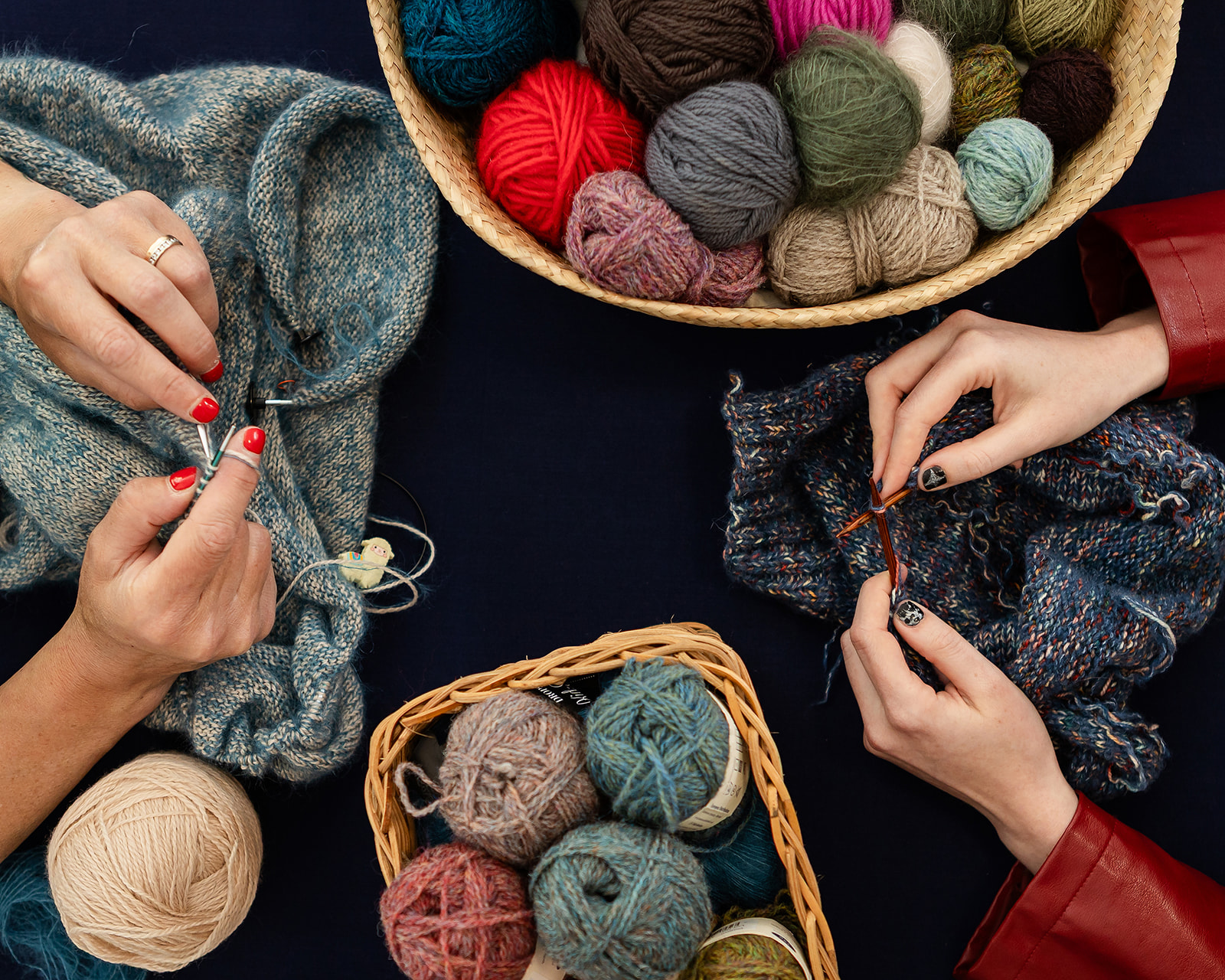
Research consistently supports what Occupational Therapists have long recognised: engaging in meaningful occupations is closely linked with health and wellbeing. More recently, studies exploring creativity have shown that creative activities can support emotional regulation, resilience and positive mental health, while meaningful occupations such as knitting and other forms of yarncraft have been associated with a greater sense of purpose, belonging and occupational balance (Jean-Berluche, 2024; Nordstrand, Gunnarsson, & Häggblom-Kronlöf, 2024; Scott & Williams, 2024).
This growing evidence is something I’m passionate about. Not because every person should take up knitting, crochet or painting, but because it reminds us that health isn’t only about reducing symptoms. It’s also about helping people reconnect with the activities that make life meaningful.
Why I Founded High Peak Occupational Therapy
That belief is at the heart of High Peak Occupational Therapy and the reason I founded the practice.
Whether I’m supporting a child struggling to attend school, an adult rebuilding confidence after illness, someone living with anxiety, or developing creative wellbeing programmes such as Knit Flow Grow, my goal is always the same: to help people find practical, realistic ways to participate more fully in the life they want to live.
Occupational Therapy is a profession that often works quietly behind the scenes. It isn’t always well understood, but its impact can be life-changing.
I feel incredibly fortunate to be part of a profession that values people, purpose and possibility.
Thank you for reading my first blog.
Over the coming weeks, I’ll be sharing more about Occupational Therapy, creativity, sensory regulation, sleep, anxiety, resilience and the science behind meaningful occupation. I hope these articles encourage you to look at your own daily occupations with fresh eyes.
Because sometimes improving our wellbeing doesn’t begin with doing more.
Sometimes it begins by rediscovering what matters most.
I’d love to hear from you. What occupation—or everyday activity—helps you feel most like yourself?
References
Jean-Berluche, D. (2024). Creative Expression and Mental Health. Journal of Creativity, 34(2), 100083.
Nordstrand, J., Gunnarsson, A. B., & Häggblom-Kronlöf, G. (2024). Promoting health through yarncraft: Experiences of an online knitting group living with mental illness. Journal of Occupational Science.
Scott, K., & Williams, M. (2024). Healing Stitches: A Scoping Review on the Impact of Needlecraft on Mental Health and Well-Being. Issues in Mental Health Nursing.